How Many Layers Should Quality Period Panties Have?
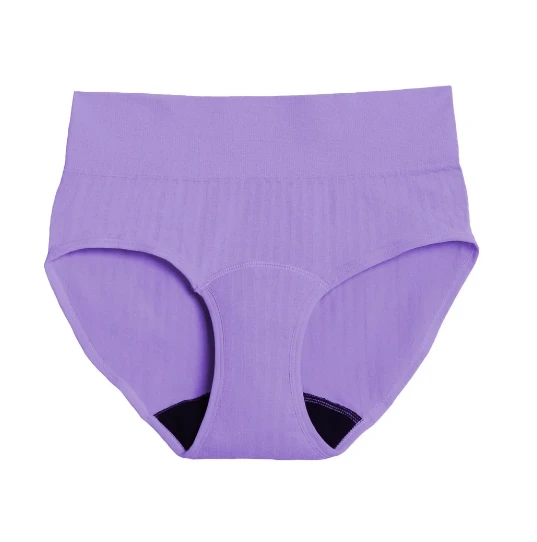
A quality pair of period panties usually contains 3 to 4 functional layers, with each layer handling a different task: moisture transfer, absorption, leak resistance, and comfort. Some heavy-flow designs use 5 or more layers, but layer quantity alone does not determine performance. Materials, absorbent capacity, gusset coverage, and fabric structure often have a greater effect. A well-designed 4-layer system may absorb around several teaspoons of fluid while remaining flexible, while a thicker design may feel bulky without improving protection.
Modern period panties are generally built around a multilayer gusset because menstrual protection requires several functions at the same time. The most common construction uses 3 to 4 functional sections: a skin-contact wicking layer, an absorbent layer, a leak-resistant barrier, and an outer support layer. Textile manufacturers may combine some functions into one material, so a product labeled as “3-layer” and another labeled as “4-layer” may provide similar performance.
The number of layers depends on the intended use. A light-flow pair designed for spotting may use a thinner structure, while overnight or heavy-flow underwear often increases absorbent volume or extends the protective area. Product testing and textile research usually focus on absorption rate, liquid retention, leakage resistance, and comfort rather than only counting fabric layers. A 2024 textile study examined period underwear structures by separating the crotch area into penetration, absorption, and protective functions, showing that different sections contribute to overall performance.
| Layer | Main function | Common materials |
|---|---|---|
| Top layer | Moves moisture away from skin | Polyester microfiber, cotton blends, technical fabrics |
| Absorbent layer | Stores menstrual fluid | Microfiber, bamboo-derived fibers, cotton blends |
| Barrier layer | Reduces leakage | Polyurethane-based waterproof membranes |
| Outer layer | Adds comfort and structure | Cotton, modal, nylon, elastane blends |
The first layer directly touches the body, so its job is not to hold the largest amount of fluid. Instead, it helps move liquid downward into the absorbent section. Some manufacturers describe this as a quick-dry or moisture-wicking layer because keeping the surface drier improves comfort during longer wear periods.
The effectiveness of this layer depends on fabric structure. A tightly packed fabric may feel soft but move liquid more slowly, while specially engineered fibers can create small pathways that help transport moisture. In a comparison of textile moisture behavior, fiber arrangement and surface properties were shown to influence liquid movement more than fabric thickness alone. A thicker top layer does not automatically create better dryness.
“The layer closest to the skin should move liquid away, not simply absorb everything at the surface.”
The absorbent core usually determines how much fluid the underwear can hold. Many commercial designs use microfiber polyester because the fibers can create spaces that capture liquid while keeping the garment relatively thin. Some products also use bamboo-derived rayon, cotton, or blended fabrics depending on softness, drying speed, and production goals.
Absorbency measurements vary between brands, but product tests often compare capacity using teaspoons or milliliters. For example, some heavy-flow underwear models are marketed around capacities of several teaspoons of fluid. A 2024 consumer test reviewed multiple period underwear designs and compared absorbency, comfort, and fit through practical wear evaluations.
The absorbent layer works through three stages:
- Fluid enters the fabric structure.
- Fibers distribute moisture across the absorbent area.
- The material retains liquid until washing.
A larger absorbent zone can sometimes provide more useful protection than simply adding more layers. A gusset extending farther toward the front or back may reduce leakage risk during movement or sleep because fluid has more protected surface area.
The third component is the leak-resistant barrier. Without this layer, absorbent fabric can eventually allow moisture to pass through once capacity is reached. Manufacturers commonly use thin waterproof membranes, including polyurethane-based materials, because they provide liquid resistance while allowing the garment to remain flexible.
A barrier layer requires balance. If the membrane is too thick, the underwear may feel stiff and warm. If it is too thin or poorly bonded, durability may decrease after repeated washing. Many reusable products are designed for frequent laundering, so construction quality affects how well the barrier performs over months of use.
A typical comparison looks like this:
| Construction | Expected use | Advantages | Possible limits |
|---|---|---|---|
| 2-layer | Spotting, backup protection | Lightweight, faster drying | Limited capacity |
| 3-layer | Light to moderate flow | Slim profile, comfortable | Less storage space |
| 4-layer | Moderate to heavy flow | Balanced absorption and protection | Slightly thicker |
| 5+ layers | Overnight, extended coverage | Higher material volume | May feel warmer or bulkier |
Many consumers assume five layers must outperform four layers, but textile engineering does not work that way. A poorly arranged five-layer design may absorb less effectively than a well-designed four-layer structure. The location of each layer, fiber quality, stitching, and liquid distribution pattern affect the final result.
Thickness also changes the wearing experience. A 2023 review of reusable period underwear noted that some users preferred thinner gussets for daily comfort, while others selected thicker designs for higher absorbency needs.
The ideal thickness depends on the situation:
| Situation | Common preference |
|---|---|
| First or last days of a period | 2–3 functional layers |
| Average daytime flow | 3–4 functional layers |
| Heavy flow | 4+ layers or extended absorbent coverage |
| Overnight use | Multiple layers plus wider protection area |
Breathability becomes more important as more layers are added. The body area covered by period underwear naturally experiences heat and moisture, so fabrics must manage both liquid and airflow. Adding extra fabric without improving material performance can reduce comfort during long periods of wear.
Drying time is another practical factor. A thicker gusset may hold more water after washing and require more time to dry completely. Users who own several pairs often rotate underwear because reusable designs depend on regular washing and drying between cycles.
Care instructions also influence long-term performance. Many manufacturers recommend avoiding fabric softeners because residues can affect absorbency by coating fibers. Washing temperature, detergent choice, and drying methods can influence elastic recovery and membrane durability after repeated cycles.
“A higher layer count only helps when each added layer has a specific purpose.”
When comparing different products, shoppers should examine several details instead of focusing only on the number of layers:
- Absorbency rating or stated fluid capacity
- Size and length of the protective gusset
- Fabric composition
- Moisture-wicking performance
- Leak-resistant construction
- Washing requirements
- Intended wear time
A four-layer pair designed for eight hours of daytime use may not perform the same way as a four-layer overnight style with extended front and back coverage. Product labels, material descriptions, and independent testing provide more useful information than layer numbers alone.
For most users, a 3- to 4-layer design offers a practical balance between protection, comfort, and everyday wear. Heavy-flow products may add more material, but the additional layers should improve absorption, coverage, or leakage resistance rather than simply increase thickness.
The best-performing period underwear is usually the one where every layer has a clear function: the first manages moisture, the middle stores fluid, the barrier limits leaks, and the outer fabric keeps the garment comfortable. Layer count is only one part of the design; the way those layers work together determines real-world performance.